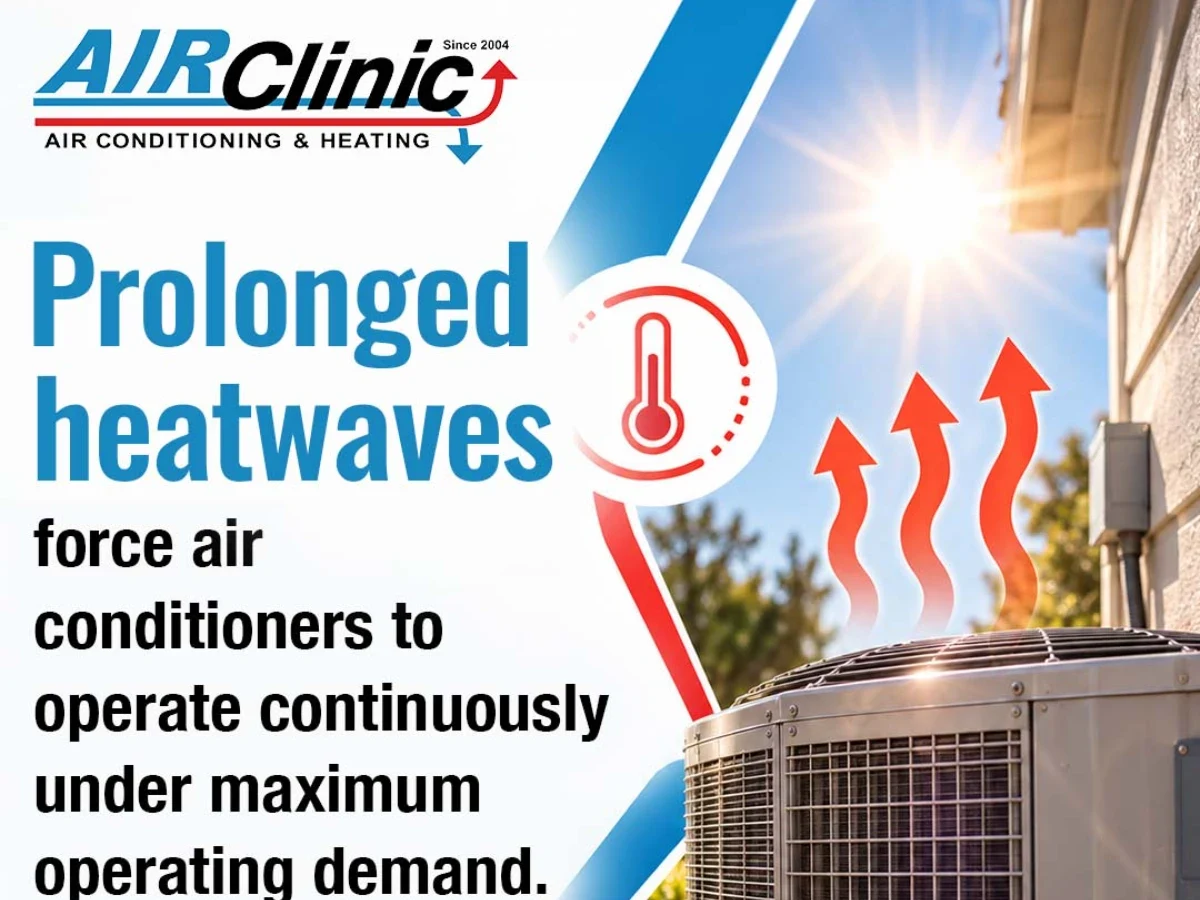
ARLINGTON, TEXAS, NOVEMBER 13, 2026 — Prolonged late-summer heat and severe weather can place additional demands on residential air-conditioning systems in Arlington, making existing equipment problems more noticeable. AC repairs may become necessary when systems show reduced cooling, unusual noises, repeated shutdowns, leaks, or other changes in operation.
High outdoor temperatures can make an AC work harder to move indoor heat outside, putting greater importance on proper airflow and healthy components. ENERGY STAR warns that dirty coils can reduce cooling performance, while airflow problems can cut efficiency by up to 15%.

Heat Can Reveal Existing AC Problems
Late-season heat does not necessarily create a mechanical problem by itself. Instead, extended operation can make an existing issue easier to notice. A system with restricted airflow, dirty coils, refrigerant problems, or electrical faults may struggle more noticeably when cooling demand remains high.
Common changes homeowners may observe include:
Longer or nearly continuous cooling cycles
Warm or less-cool air from supply vents
Uneven temperatures between rooms
Unusual buzzing, clicking, or grinding sounds
Water around indoor equipment
Repeated cycling or unexpected shutdowns
These symptoms can have multiple causes. Determining the underlying problem generally requires testing rather than replacing components based only on a visible symptom.
Airflow and Filter Conditions
Air filters are among the few AC components homeowners can inspect without opening electrical or sealed equipment. ENERGY STAR recommends checking central-air-conditioner filters monthly and cleaning or replacing them when necessary. The agency also identifies proper blower operation and airflow as important parts of cooling-system maintenance.
Air Clinic notes that basic observations such as weak airflow, longer run times, or uneven cooling can help homeowners recognize when an AC system may require further evaluation. These observations do not, however, identify the exact cause of a cooling problem.
Storms Add Different Risks
Severe weather introduces another set of concerns. Wind can push leaves, branches, and other debris around outdoor equipment, while heavy rain or flooding can expose electrical and mechanical components to water.
The U.S. Environmental Protection Agency advises that HVAC systems affected by floodwater should not be used until they have been properly evaluated, cleaned, dried, and repaired as needed. The EPA also notes that cleaning and drying an HVAC system can be complicated and recommends professional assistance when the system has been affected by flooding.
After a storm, homeowners can perform limited visual checks without opening equipment:
Look for standing water around the outdoor unit.
Remove loose leaves or branches from the area surrounding the condenser.
Check for visible physical damage.
Inspect the indoor filter and replace it if dirty.
Watch for unusual sounds, leaks, weak airflow, or poor cooling after safe operation resumes.
Homeowners should not open electrical panels or attempt refrigerant work as part of a routine post-storm inspection.
When Further Evaluation May Be Needed
Changes in cooling performance following extreme heat or severe weather can have different causes. A system that continues to operate but cannot maintain the desired temperature may have an airflow, electrical, refrigerant, control, or mechanical problem. Water exposure can create additional concerns involving electrical components and other equipment.
For residents researching air conditioning repairs in Arlington, TX, the distinction between routine maintenance and equipment repair is important. A dirty filter or loose outdoor debris may be addressed through basic maintenance, while refrigerant, electrical, compressor, or flood-related issues require appropriate testing.
“Homeowners can often identify changes in system operation without attempting repairs themselves. The important first step is recognizing unusual performance and determining whether the equipment has been affected by heat, debris, water, or another condition.” Said Jesse Murphy, Media Contact, Air Clinic
What Arlington Homeowners Can Watch For
Extended heat and severe weather can reveal AC problems such as weak cooling, repeated shutdowns, leaks, unusual sounds, or failure to start. If floodwater reaches HVAC equipment, the EPA recommends professional assessment before restarting the system.
Basic maintenance may address dirty filters or debris, while electrical, refrigerant, compressor, or flood-related problems may require air conditioning repair services. Homeowners should seek qualified evaluation when problems persist. Those considering professional air conditioning repairs should avoid trial-and-error repairs and have significant equipment issues properly diagnosed.

About Air Clinic
Air Clinic is a Texas HVAC company serving residential and commercial customers across the Dallas-Fort Worth region. The company has more than 20 years of experience providing heating and air conditioning repair, installation, replacement, maintenance, and indoor air quality services, with an Arlington office on East Lamar Boulevard. Air Clinic offers home service in 2 hours or less in most cases and a 1-year warranty on all repairs.
Source Link: https://www.airclinic.net/ac-repair/why-does-late-summer-heat-cause-ac-problems-in-arlington-tx/